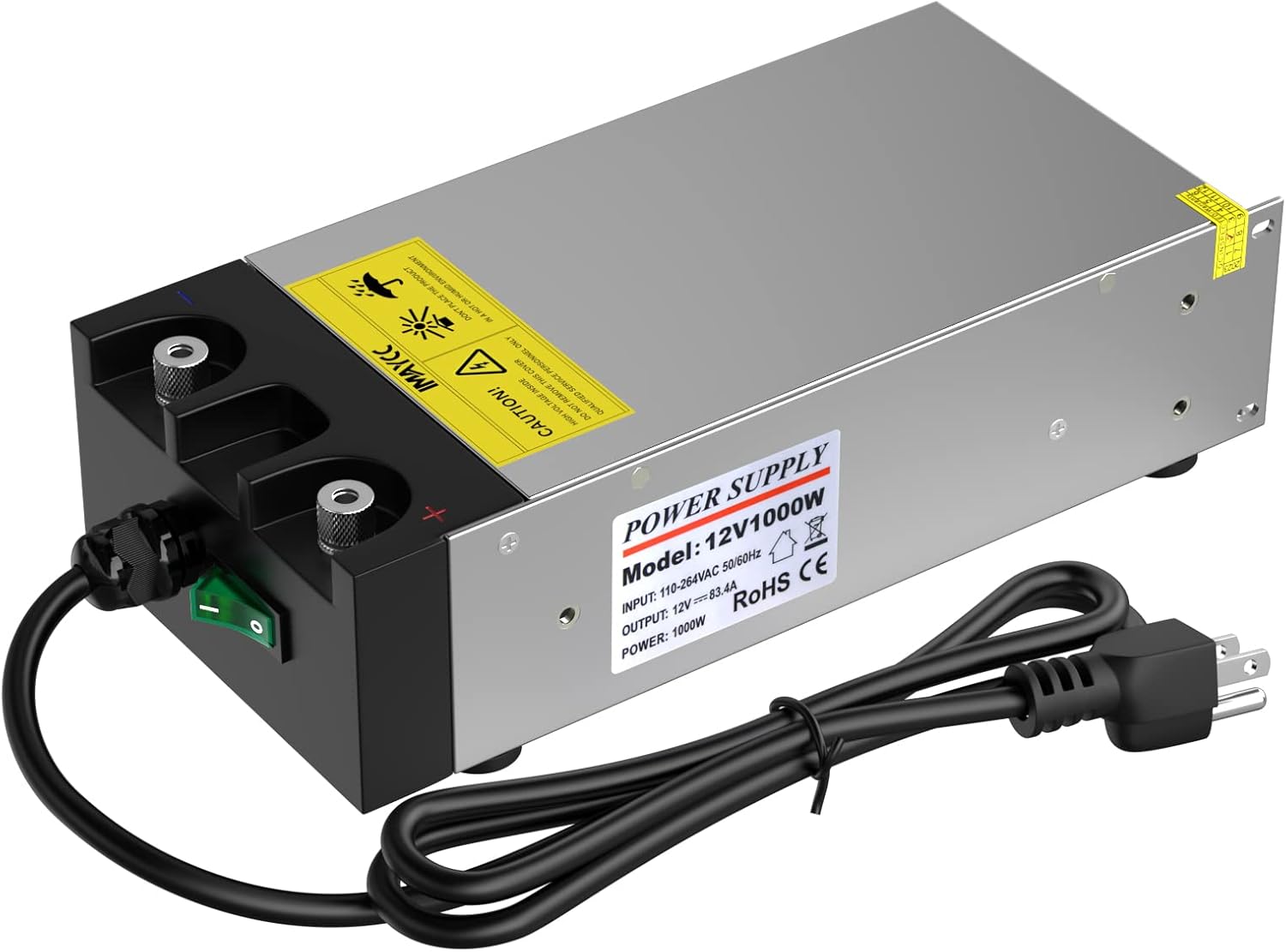
In industrial environments, power stability directly affects productivity and equipment life. While the incoming power supply is usually alternating current (AC), most industrial machines and electronic systems operate on direct current (DC). When this conversion is not handled properly, industries often face issues like equipment malfunction, control failures, and unexpected downtime. This clearly shows the importance of AC to DC converter in industrial power supply systems.
From control panels and automation systems to CNC machines and industrial electronics, AC to DC converters play a critical role in delivering safe, stable, and efficient power for daily operations.
Importance of AC to DC Converter in Power Supply Systems
An AC to DC converter converts alternating current into direct current that electronic equipment can safely use. Without proper conversion, sensitive components such as PLCs, sensors, and controllers may fail or perform inconsistently.
The importance of AC to DC converter in industrial applications lies in its ability to deliver a consistent DC voltage, protect electronic circuits, and support reliable machine operation. In industries where downtime leads to production loss and maintenance costs, dependable power conversion becomes essential.
Why DC Power Is Required for Industrial Equipment
Most industrial electronic devices are designed to run on DC power. Components like PLCs, control modules, sensors, and communication systems require a stable DC voltage to function accurately.
DC power helps:
-
Maintain consistent signal quality
-
Improve operational stability
-
Reduce electrical noise interference
-
Prevent unexpected system failures
This is why an Isolation Transformers power supply systems is a standard requirement in modern industrial setups.
How AC to DC Converters Work in Power Supply Systems
The AC to DC conversion process typically involves:
-
Converting AC input to the required voltage level using a transformer
-
Rectifying AC into pulsating DC
-
Filtering to smooth the DC output
-
Regulating voltage for stable and safe operation
This process ensures that industrial equipment receives clean and reliable DC power suitable for continuous use in demanding environments.
Role of AC to DC Converter in Industrial Power Supply
The role of AC to DC converter goes beyond basic power conversion. In industrial power supply systems, converters help:
-
Protect electronic circuits from voltage fluctuations
-
Improve overall system efficiency
-
Reduce power-related failures
-
Support longer equipment life
An industrial AC to DC converter is specifically designed to handle harsh conditions such as heat, vibration, dust, and electrical noise commonly found in factories.
AC to DC Converter for Control Panels and Automation Systems
Control panels depend on accurate and stable DC power to operate PLCs, relays, sensors, and communication devices. Even minor power instability can cause logic errors, machine stoppages, or data loss.
Using a reliable AC to DC converter for control panels helps:
-
Maintain consistent control voltage
-
Improve automation accuracy
-
Reduce maintenance issues
-
Enhance operator safety
This makes AC to DC converters a critical component in industrial automation and control systems.
Benefits of AC to DC Converters in Industrial Applications
Key benefits of AC to DC converter include:
-
Stable and regulated DC power supply
-
Improved equipment performance
-
Reduced electrical noise and interference
-
Better protection for sensitive electronics
-
Lower risk of downtime and failures
These benefits clearly highlight the importance of Line Choke converter in ensuring efficient and reliable industrial operations.
Common Problems Without Proper AC to DC Conversion
Industries that use poor-quality or incorrectly rated converters often face:
-
Fluctuating voltage levels
-
Frequent equipment breakdowns
-
Overheating of components
-
Reduced operational efficiency
Selecting the right AC to DC power supply systems helps avoid these issues and ensures smooth, uninterrupted operation.
How to Choose the Right AC to DC Converter
When selecting an AC to DC converter for industrial use, consider:
-
Input and output voltage requirements
-
Load capacity and current rating
-
Operating environment
-
Safety standards and certifications
Working with a reliable AC to DC converter manufacturer ensures correct selection, proper testing, and long-term performance.
Why Quality and Certification Matter
Power conversion directly impacts safety and equipment reliability. Low-quality converters can cause unstable output, overheating, and premature failure.
ISO-certified manufacturing ensures:
-
Consistent product quality
-
Reliable and repeatable performance
-
Compliance with safety and industrial standards
Partnering with an experienced AC to DC power supply manufacturer in India also provides technical support and customized solutions for specific industrial needs.
Conclusion
The importance of AC to DC converter in industrial power supply systems cannot be ignored. From supporting automation and control panels to protecting sensitive electronic equipment, AC to DC converters play a vital role in modern industries.
By choosing a high-quality and properly rated converter, industries can achieve stable power delivery, improved efficiency, and long-term operational reliability.
Looking for a Reliable AC to DC Converter for Your Industrial Application?
Selecting the right AC to DC converter is essential for power stability, equipment safety, and long-term performance. With experience in industrial power solutions, we help you choose converters that match your exact voltage, load, and operating conditions.
Contact our technical team today to discuss your requirements or request a customized AC to DC power supply solution.
Call Us | Send Your Enquiry
